
Ryan Thurwachter, LCSW | Therapist in Menlo Park, CA
For professionals who have it together on the outside and are exhausted on the inside
Will This Therapist Get It?
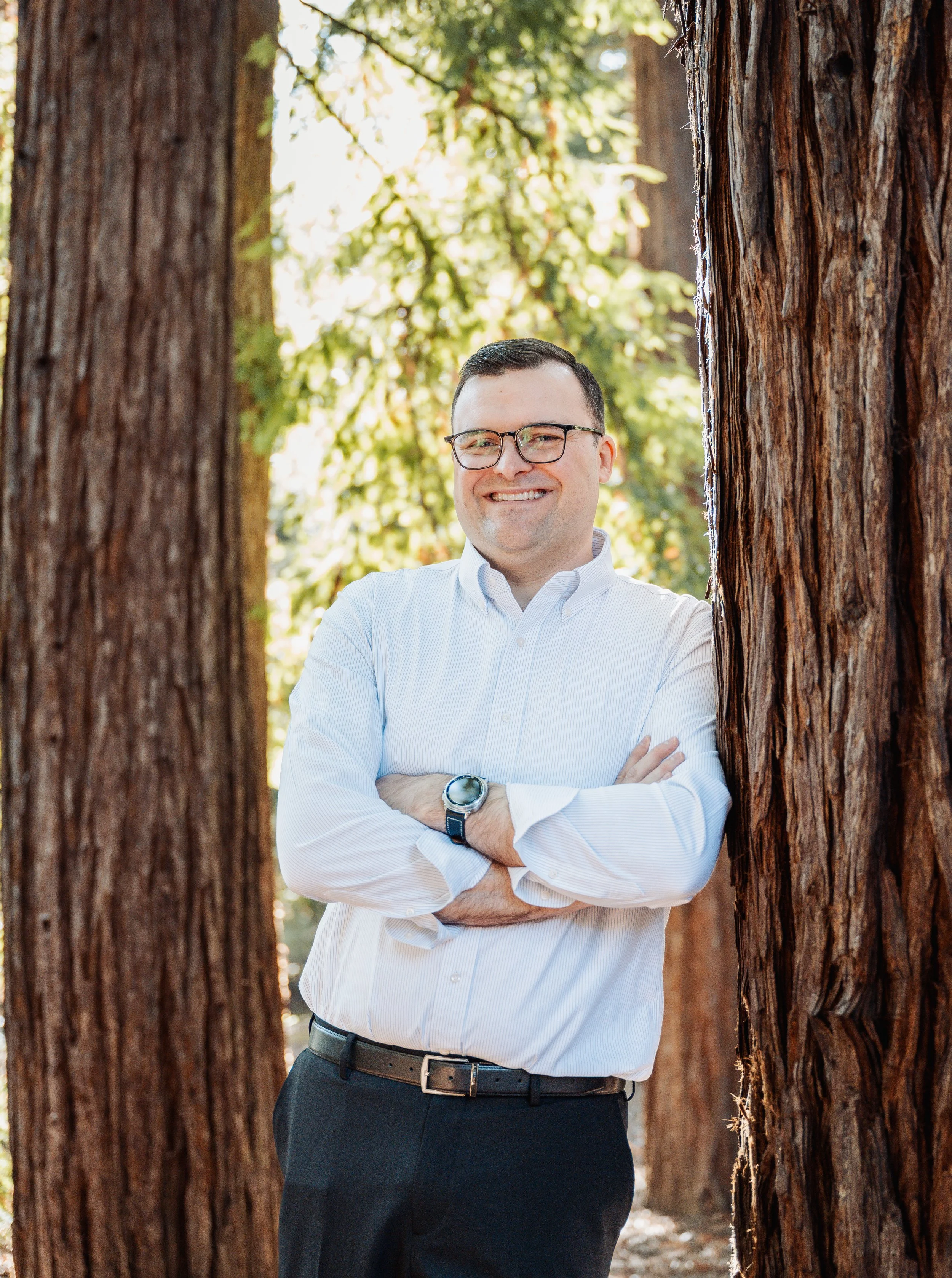
From the outside, your life looks like it's working. What no one sees is how much effort it takes to keep it that way, and how tired you are underneath it. You already know you need to talk to someone. The question that keeps stopping you is whether the person on the other end will actually get it, or whether you'll spend the first three sessions explaining your life to someone who nods along and then sends you home with a worksheet.
What Working With Me Looks Like
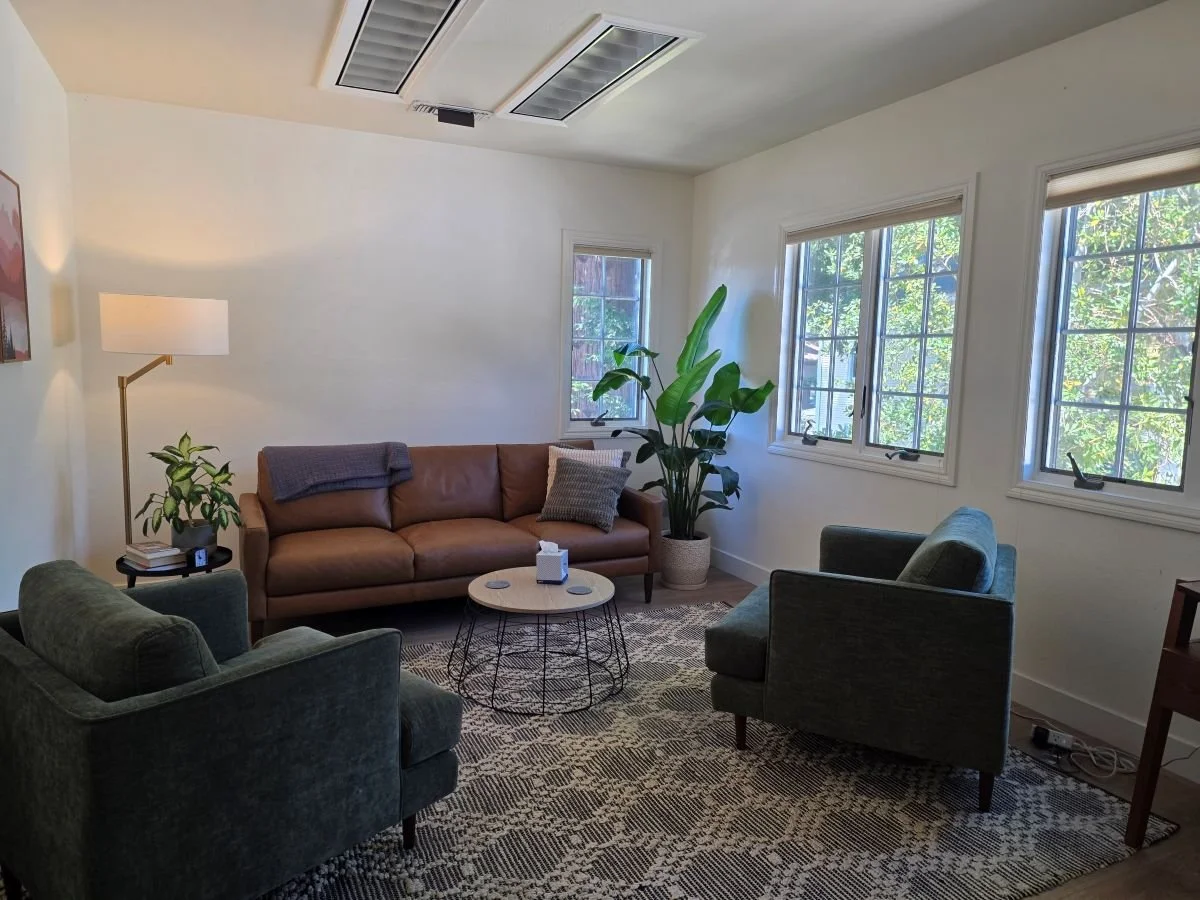
My therapy office in Menlo Park
I’m Ryan Thurwachter, a therapist in Menlo Park. We usually begin with a brief check-in and then decide what to focus on that day, often continuing work from the previous week. Some sessions are conversational; others are more experiential, with attention to a feeling or thought rather than only talking about it. You set the pace, and nothing happens before you are ready.
If you want a fuller explanation of the approach, you can learn more about my IFS therapy in Menlo Park.
Why I Do This Work
I became a therapist because therapy saved my life. My baby brother died when I was eleven, and I've lost two more siblings since then to overdoses. The weight of that, along with the guilt of being the oldest who was supposed to take care of everyone, is something I've had to do my own deep work to process. The people I work with carry a different burden than I did, but the pattern is the same: parts that learned early to perform, to hold everything together, and to never let anyone see what's underneath.
That experience is why I take this work as seriously as I do. When I found IFS, first as a client, I started to understand why I felt the way I did, and the low self-worth, the anxiety, and the coping strategies that weren't working began to shift for the first time. It changed things for me personally before it ever changed anything for the people I work with, which is part of why I trust it as much as I do.
What Clients Tell Me
One client described going from constant people-pleasing to putting himself first. Another told me she feels more collected and stable, with far fewer of the emotional swings that used to derail her week. The thing clients tell me most is that they finally understand themselves, and that understanding comes from a place of genuine self-acceptance.
Training and Experience
I'm a licensed clinical social worker and Level 2 IFS therapist. I hold a Master of Social Work from San Jose State University and a BA from UC Santa Cruz. Before private practice I spent years in community mental health, locked psychiatric units, homeless shelters, addiction treatment programs, and crisis residential facilities. I've been in the mental health field since 2012 and practicing as a therapist since 2018.
IFS came into the picture a few years into my career, on the client side first, in my own IFS therapy. A few months in, I took the IFS Circle program, a self-paced course that introduces the model without the live practice or supervision that come later. I started trying IFS with my own clients around the same time, alongside the other approaches I was using as a more eclectic therapist. Getting into an official Level 1 training through the IFS Institute took a long time, and by the time a spot opened up I was about two years into my own IFS therapy. The Institute was founded by Richard Schwartz, the psychotherapist who created IFS, and it's been the sole provider of IFS training and certification for decades. Level 1 runs in real time, in small groups, where you practice the model directly on each other and get coached on what's working and what isn't.
After Level 1, IFS stopped being one approach among several and became my primary mental model and my only modality. I've now spent about four years with IFS, both as a client and as an IFS therapist. I later completed Level 2 training, which follows that same live, small-group, coached format at a more advanced level and was focused on couples and family work utilizing Intimacy from the Inside Out (IFIO).
Outside the Office
I live with my wife and our dog in the Bay Area. We both went to UC Santa Cruz and still love going down to the coast. I play video games, tinker with my 3D printer, and we've been making Japan a recurring adventure.
My Specialties
I specialize in Internal Family Systems (IFS) therapy and work with professionals dealing with anxiety, burnout, trauma, and grief. I offer in-person therapy in Menlo Park, near the Palo Alto border, and online therapy for clients throughout California and New Jersey.
If you've been looking for a therapist who gets it, I'd like to talk. Book a free 15-minute consultation and we'll figure out together whether this is the right fit.
Currently accepting new individual clients.
Practice Details
I'm a private-pay practice and don't accept insurance directly. My fee is $250 per 50-minute session. If your plan offers out-of-network benefits, I handle the superbill submission for you to put toward possible reimbursement.
A Good Faith Estimate is available before your first session. See my Good Faith Estimate policy.
You can also reach out by calling 669-577-6800 or by email here.
Your inquiry is confidential. I typically respond within one business day.
In-Person and Virtual Therapy
In-person sessions in Menlo Park, minutes from Palo Alto. Virtual sessions throughout California and New Jersey.
Menlo Park Office
120B Santa Margarita Ave Suite 211
Menlo Park, CA 94025, United States
Ryan Thurwachter, LCSW | MSW, San Jose State University | BA, UC Santa Cruz | CA License #100577 | NJ License #44SC06030200
This page is written by Ryan Thurwachter, LCSW, based on five years of clinical practice. It is not a substitute for diagnosis or treatment. If you are in crisis, please contact 988.
Also find Ryan at Psychology Today, IFS Institute, Zencare, and TherapyDen.
Updated — September 2026
