
IFS Therapist in Menlo Park
For professionals who have it together on the outside and are exhausted on the inside
Menlo Park Trauma Therapist
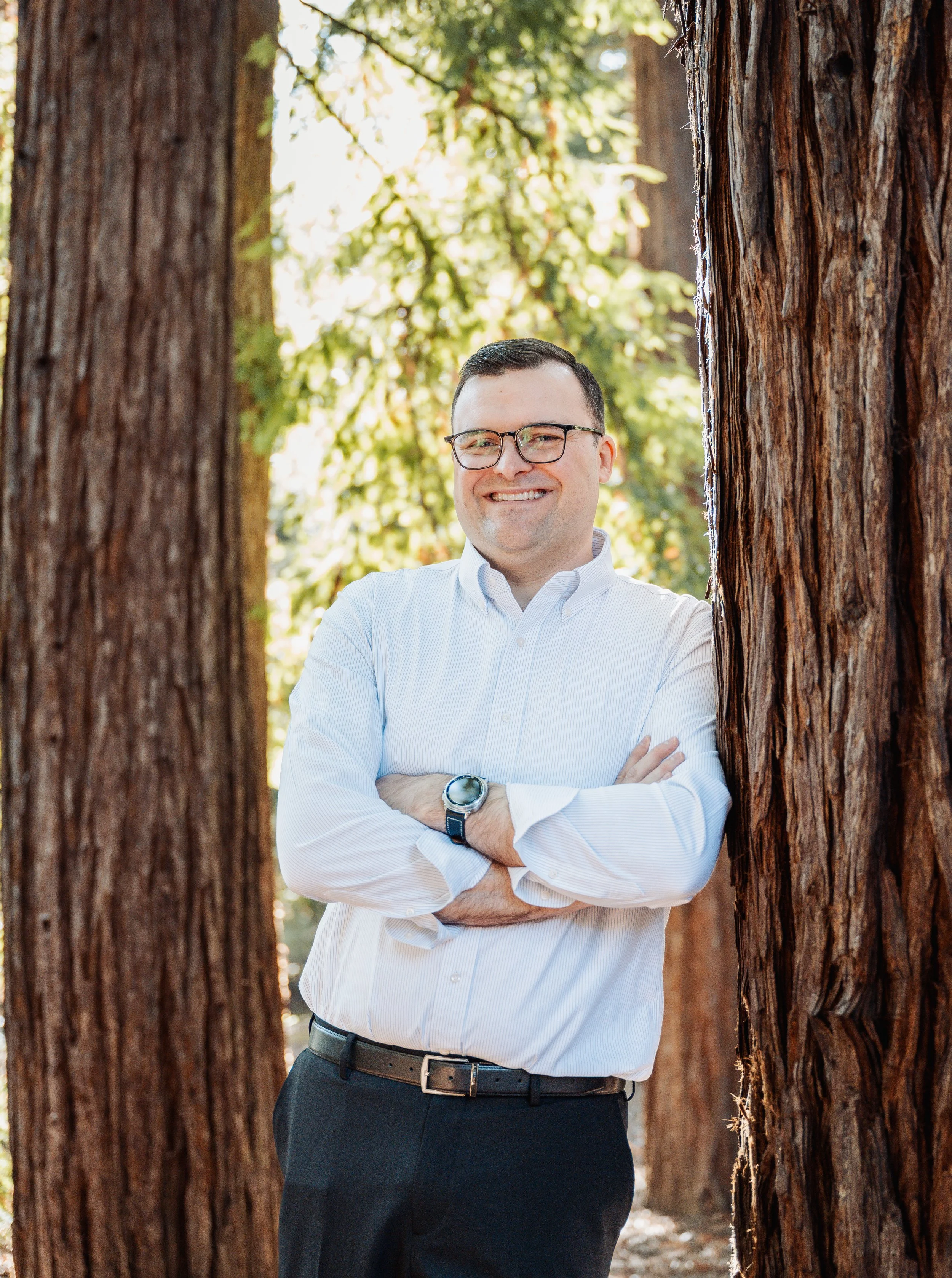
Ryan Thurwachter, Menlo Park Therapist Specializing in Professionals with Trauma
You keep ending up in the same place. Different relationship, different job, different year, but the same patterns. You shut down when conversations get emotional, or you hold everything in until it comes out sideways. There's a voice in your head that tells you you're not actually as good as people think you are. That one day they'll see through it. No amount of success has been able to quiet it. You've tried to think your way out of it, talk your way out of it, work your way out of it. None of it has stuck.
What's harder to explain is the feeling underneath all of that. A tiredness that isn't about sleep. A sense that you're performing a version of yourself rather than actually being yourself. You know something is off, something deeper than stress or a bad week, but you don't have a clear name for it. And that makes it harder to know what kind of help to look for.
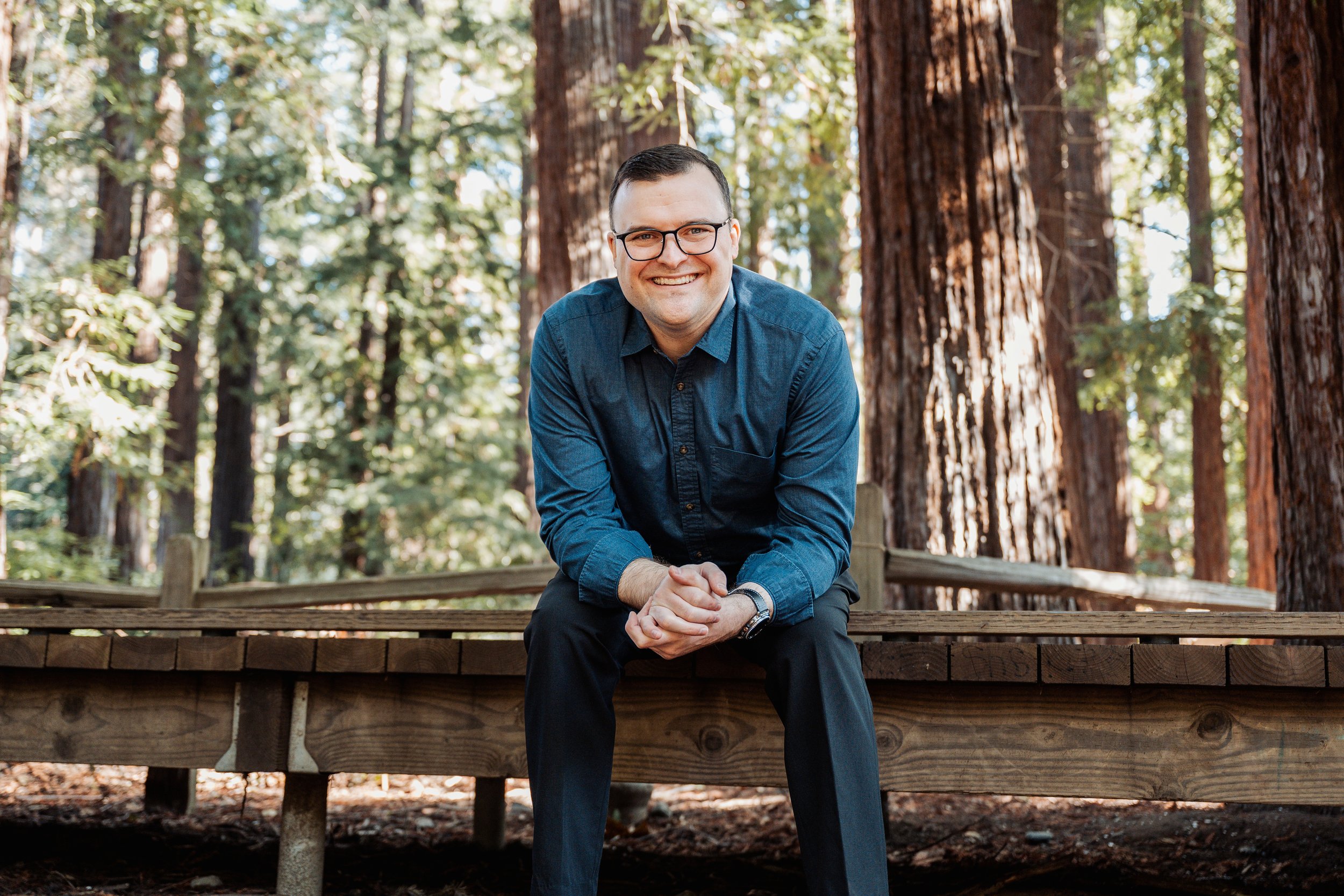
Ryan Thurwachter, Menlo Park Therapist Specializing in Professionals with Trauma
You might not use the word trauma. It feels too large for what happened, or too clinical, or it doesn't match the life you've built. There's no single event you can point to. But there was an atmosphere. A household where emotions were treated as inconveniences, a parent whose approval had to be earned and re-earned, a family where the safest version of you was always the most competent version of you. What you experienced might be closer to childhood emotional neglect than anything dramatic, but the beliefs that got installed there are still running your life. That love has to be earned through performance. That showing what you actually feel is dangerous. That if you stop being useful, people will leave. The patterns you keep repeating aren't random.
How We'll Work on This Together
You may already see the connection between your past and the way you operate now. But understanding the pattern hasn't been enough to change it, because trauma doesn't live as a story you can think your way out of. It lives in your body, in the tension you carry, in the way your system activates at two in the morning while you're rehearsing tomorrow's meeting.
I'm Ryan Thurwachter, LCSW, a childhood trauma therapist in Menlo Park who specializes in working with professionals dealing with the kind of trauma that doesn't look like trauma from the outside. If previous therapy felt too surface-level, like the therapist was good to talk to but nothing was really changing, there's a reason for that. Conventional approaches often try to push past your defenses or teach you coping skills, and that tends to backfire. You either become more guarded, or you open up too fast and the experience is overwhelming rather than helpful.
I use Internal Family Systems (IFS) therapy for trauma because it works with your defenses rather than against them. IFS recognizes that the parts of you that intellectualize, that overwork, that shut down emotionally, all developed for good reason. Rather than treating them as problems to fix, we get to know them, understand what they're protecting, and only then approach the pain they've been guarding. The result is that the inner critic gets quieter, the hypervigilance eases, and you start to feel like yourself again. You can learn more about how IFS works here.
What Actually Changes
The thing I hear most often from clients is some version of "I make sense to myself now." They understand why they react the way they do, and that understanding gives them something they didn't have before. One client told me he went from feeling like a terrible person most days to having real windows where he felt free of that weight. Another described finally being able to sit with difficult feelings and say, "that's a scared part, it's ok, I know what that feeling is now," instead of getting overwhelmed and shutting down. Clients tell me they stop bracing for the worst in important conversations and start trusting that they can actually say what they need to say. Not because the hard stuff disappears, but because it stops running the show.
If you're ready to understand what's actually driving all of this, I'd like to have that conversation. Book a free consultation and we'll talk honestly about what's going on and whether this work makes sense for where you are now.
Frequently Asked Questions
-
I offer in person therapy at the boarder of Palo Alto and Menlo Park. I also offer online therapy for residents across California and New Jersey.
-
You do not need perfect words. I help you slow down and notice what is happening in the moment. Therapy works even when you come in feeling numb, confused, or stuck.
-
Everyone is different, but many clients start noticing shifts within a few weeks of consistent sessions.
-
My rate for a 50 minute session is $225
Online Therapy from the comfort of your home
Can’t make it into the office? No worries - we’ve got you covered with online therapy in California.